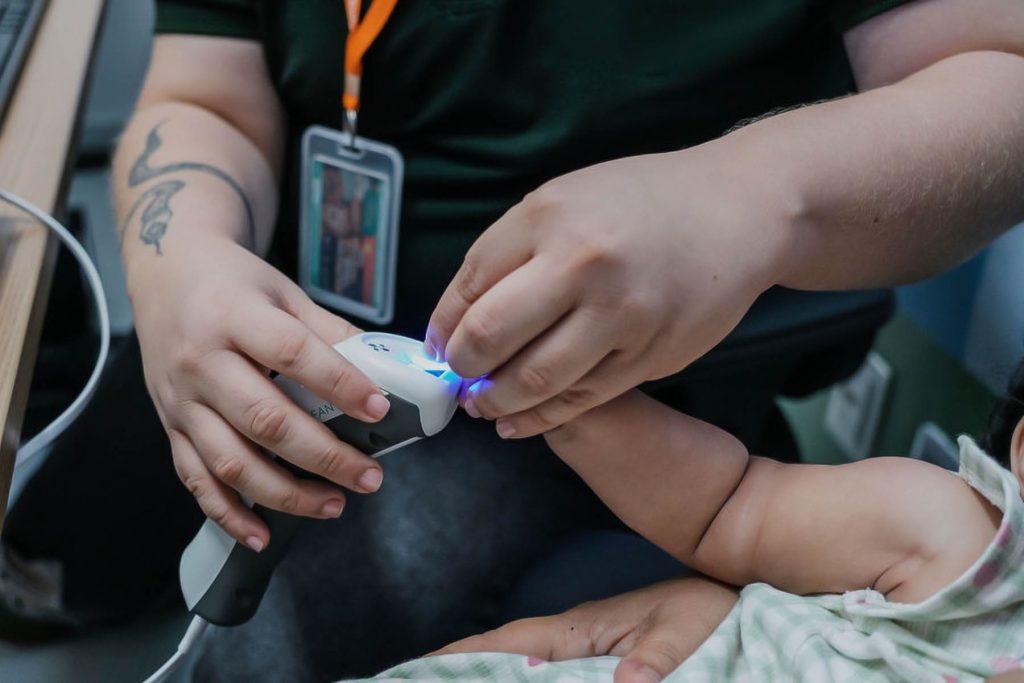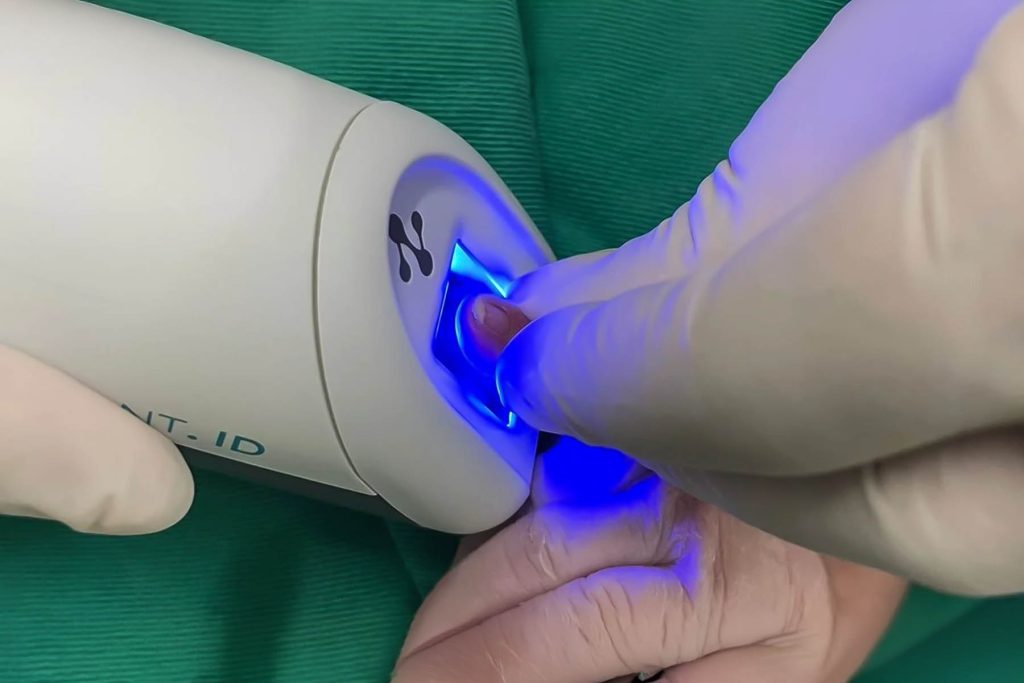

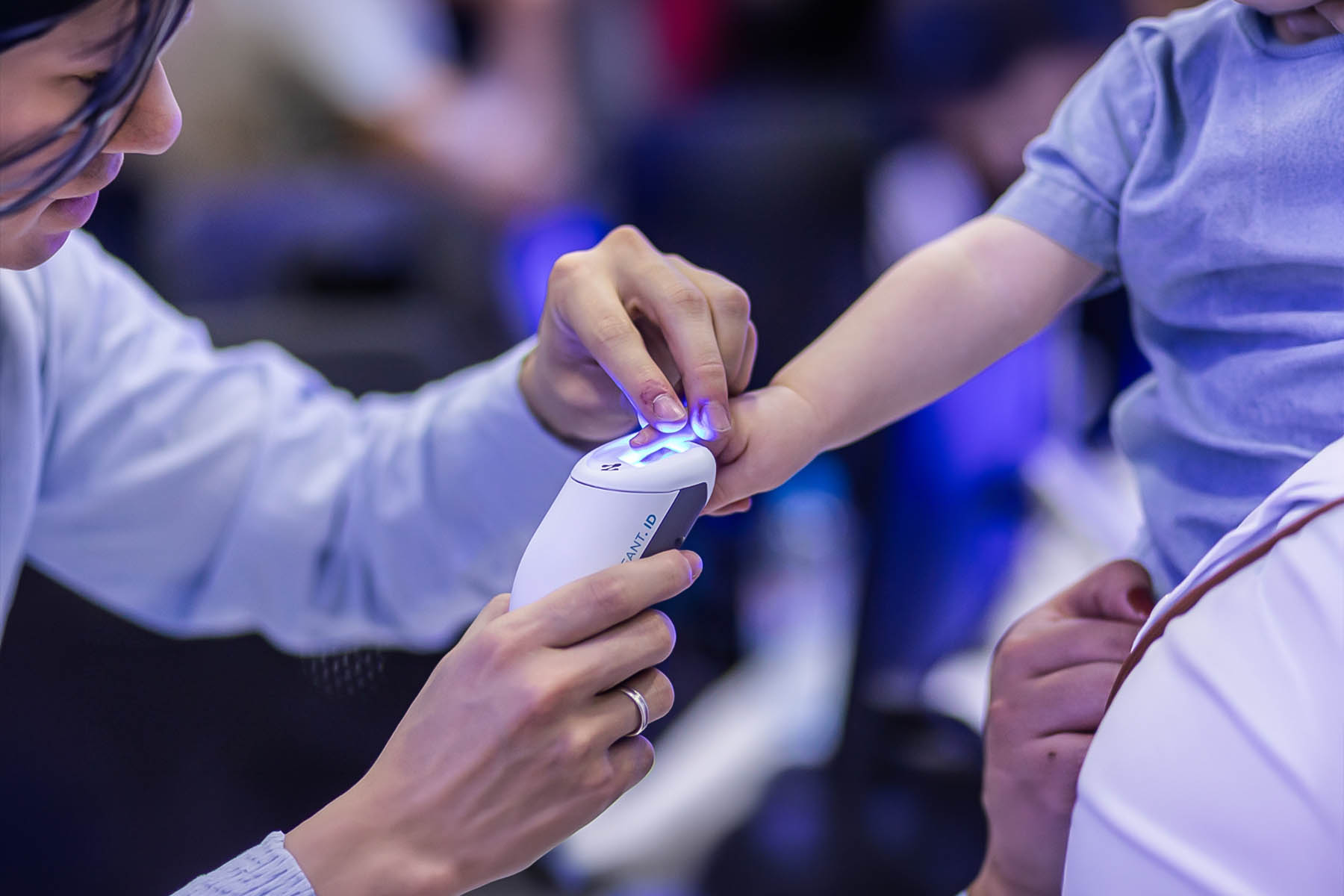
Infant.ID’s identification reader technology is the only one in the world developed for children with FBI certification for civil and forensic use.
Infant.ID operates in nine states in Brazil and has already carried out more than 320,000 biometric collections of children aged 0 to 7 years old. The goal of the Brazilian biometric identification startup is to help combat crimes such as baby-trading, under-registration, and international trafficking. In 2025, 66 children or adolescents disappeared every day in the country, according to data from the Ministry of Justice.
“The demand is national, but since there is still no consolidated federal regulation, the technology needs to be approved state by state,” says José Ricardo Tobias, executive director of Infant.ID. He explains that among the nine states that have already been approved, the solution is used at different levels: only for testing, in the final stages for adoption, or in actual use.
In Mato Grosso and Piauí, for example, the equipment is already in widespread use in the day-to-day operations of identification stations, notaries, municipalities, and hospitals.
The pioneering efforts of the two states are in response to a legal requirement in place throughout Brazil since 1990. The Statute of the Child and Adolescent (ECA) requires the State to accurately identify all children and establish the link between babies and their mothers. However, there is a limitation in the use of common biometric readers that are poorly sensitive to the density and clarity of fingerprints in this age group.
Since 2012, Infant.ID has conducted research to solve the bottleneck of neonatal biometric reading. Founded in Curitiba, it developed a technology with ten times higher resolution than conventional equipment, which allows the accurate capture of fingerprints from the very first hours of life. Today, the startup works in partnership with more than 30 researchers from UTFPR (Federal Technological University of Paraná) focused on advanced biometrics.
The solution is 100% Brazilian, from hardware to software, with production in its own factory in Pato Branco, in the interior of Paraná. From there, the biometric readers are transported to all regions of Brazil. Some have already traveled outside the country for demonstrations and specific cases in the Middle East, Latin America, and Africa. According to Tobias, by the end of 2026, the goal is to implement the equipment commercially in a country with already advanced homologation.
There is institutional support for the global expansion of Infant.ID. The technology is the only one in the world that has been patented and certified by the FBI (FAP 10, FAP 30, Mobile ID and PIV) and the NIST, the American body that defines security standards for civil and forensic use. With these guarantees, government systems can use data collected by biometric readers to ensure the rights of babies and children.
Data custody belongs to the states, which are responsible for integrating hospital systems, identification institutes, and public agencies such as civil police and border controls. According to Tobias, interoperability ensures the safe and efficient sharing of biometric data and the continuous and accessible monitoring of children throughout their lives. “Our work is to ensure that all children have access to citizenship and protection, building a legacy of security and hope for the future.”.
Source: https://www.gazetadopovo.com.br/vozes/parana-sa/infant-id-biometria-infantil-nove-estados/