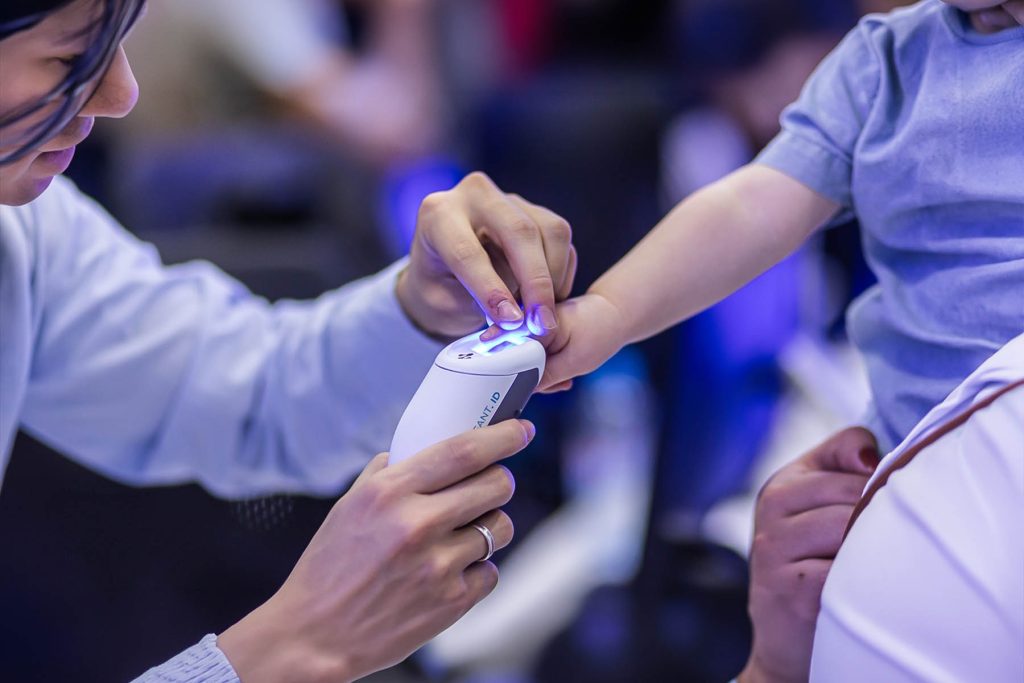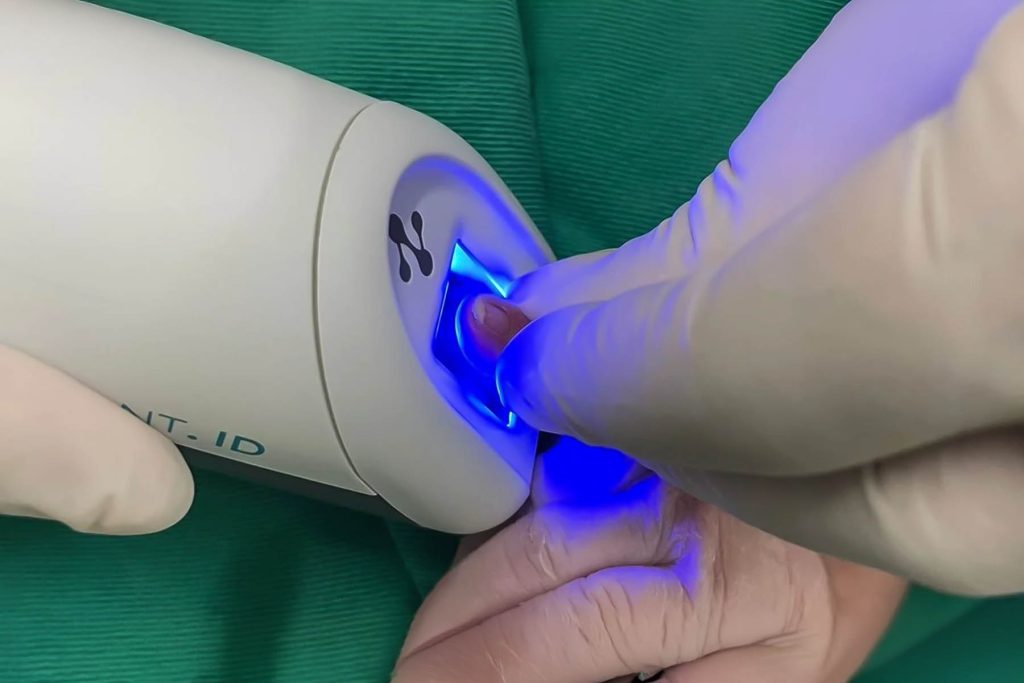

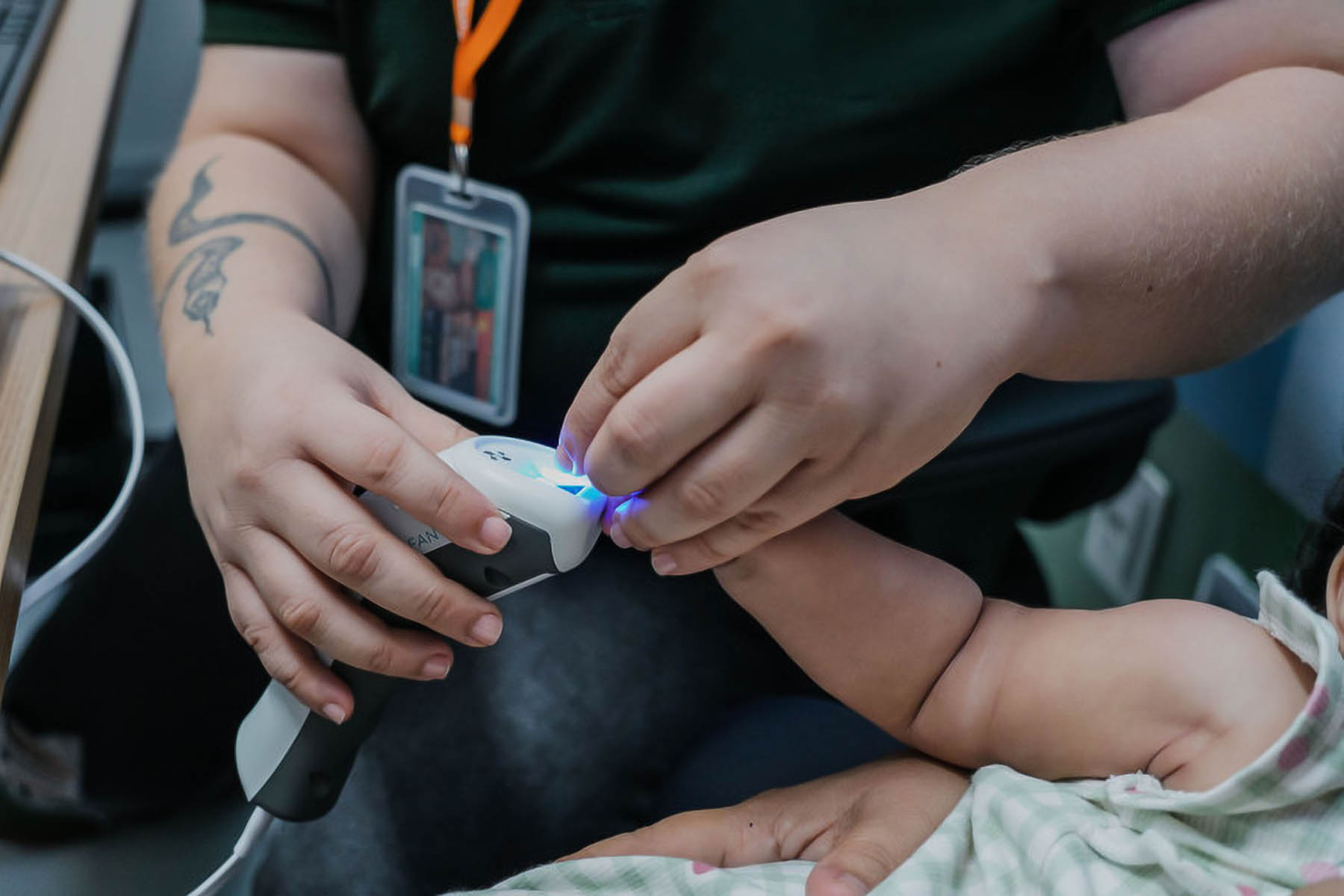
The system aims to ensure the safe sharing of children's data, integrating them into hospital records and public databases.
A Brazilian technology aims to prevent the exchange and kidnapping of babies in Brazil through biometric identification of children up to seven years old. Data from the Ministry of Justice revealed that in 2025, 66 minors disappeared every day in the country.
O ECA (Statute of the Child and Adolescent) requires the State to carry out a precise identification of all children in the country, in addition to identifying the bond between babies and their mothers.
The collection of biometrics as early as childhood is already in place in nine Brazilian states and is used for a wide range of other functions beyond combating kidnappings, such as collection for testing and the adoption process.
In Mato Grosso and Piauí, the equipment is already performing large-scale functions at identification stations, notaries offices, municipalities, and hospitals. The group responsible for the technology works in partnership with more than 30 researchers from UTFPR (Federal Technological University of Paraná) focused on advanced biometrics.
However, there is no delimitation of biometric readers related to this identification.Oh, because ordinary readers are not sensitive to the identity and clarity of children's fingerprints.
Given this gap in security children and adolescents, Since 2012, the company Infant.ID has been conducting research to address the lack of neonatal biometric reading. The company has developed a technology with ultra-resolution up to ten times higher than that of standard equipment, enabling the collection of biometrics as early as the first hours of life.
The executive director of Infant.ID, José Ricardo Tobias, explains that “The demand is national, but since there is still no consolidated federal regulation, the technology needs to be approved state by state.”.
Responsibility for data
According to the CEO, the company aims to commercialize the equipment in some country with advanced homologation by 2026. The Infant.ID technology is the only one in the world that is patented and certified by the FBI and NIST.
Due to these guarantees, government systems can use the collected data to ensure compliance with the law. children's rights. The custody of the data also belongs to the states, which are responsible for integrating biometrics into hospital systems, identification institutes, and public agencies.
With the security of biometrics at the state level, there is assurance of safe and efficient data sharing, allowing for easier monitoring over the life of the babies.
*Under the supervision of Thiago Félix